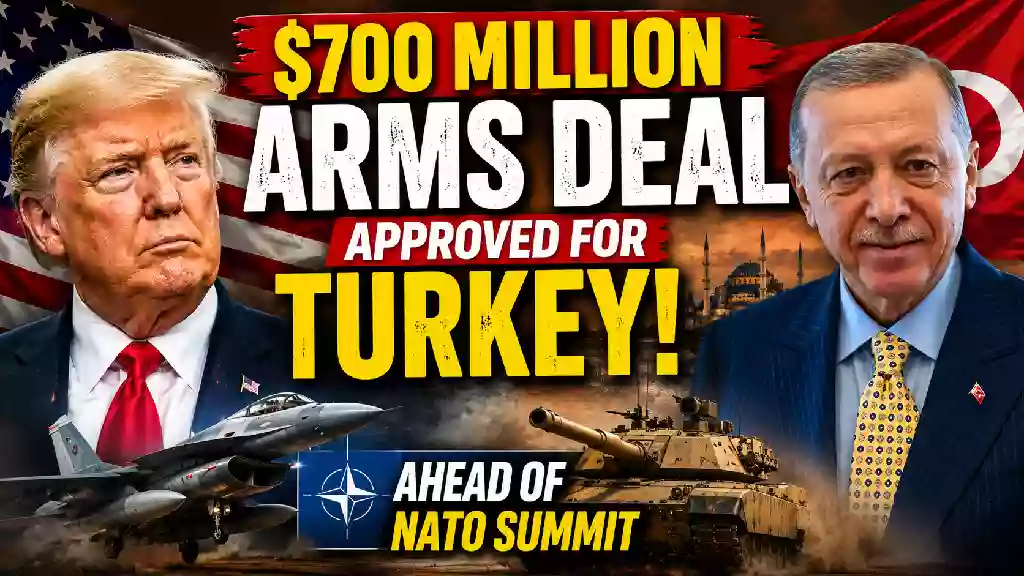
US Strengthens NATO Partnership with $700 Million Turkey Arms Deal Ahead of Alliance Summit
US Strengthens NATO Partnership with $700 Million Turkey Arms Deal Ahead of Alliance Summit
Defense Agreement Highlights Washington’s Strategic Focus on NATO Security and Regional Stability
With NATO leaders preparing to meet for their upcoming summit in Ankara, the Trump administration has approved a $700 million military sales package for Turkey, signaling continued support for one of the alliance’s most strategically positioned members. The decision comes at a time of heightened security concerns involving Iran, Russia, and the future of NATO’s collective defense posture.
While administration officials describe the agreement as an investment in alliance security, some lawmakers remain skeptical because of Turkey’s previous acquisition of Russia’s S-400 air defense system, a purchase that strained relations with Washington in recent years.
NATO Summit Expected to Showcase Increased Defense Spending
The July 7–8 NATO summit is expected to focus heavily on strengthening the alliance’s military readiness and evaluating progress made by member nations on defense spending commitments.
U.S. Ambassador to NATO Matthew Whitaker said allied nations have already invested more than $100 billion in expanded military capabilities since agreeing to boost defense spending. According to Whitaker, President Donald Trump has consistently encouraged NATO members to increase military investment and ensure those resources translate into modern equipment and stronger operational capabilities.
Administration officials argue that better-equipped allies ultimately create a stronger NATO capable of deterring future conflicts and preserving long-term peace.
Turkey Viewed as a Key Ally Despite Political Differences
Although Washington and Ankara have experienced disagreements in recent years, the administration continues to describe Turkey as one of NATO’s most important strategic partners.
A State Department spokesperson said Turkey remains a vital contributor to NATO operations and regional security. Its geographic location connecting Europe, the Middle East, and the Black Sea gives the country significant strategic importance for alliance missions.
Following recent visits to Turkish military installations, including Incirlik Air Base, Ambassador Whitaker praised Turkey’s armed forces and expanding defense industry. He said Turkey remains committed to NATO’s collective defense mission and continues strengthening its military capabilities alongside its allies.
Congressional Critics Question Military Cooperation
Not everyone in Washington supports expanding defense cooperation with Turkey.
Several lawmakers have voiced concerns over Ankara’s continued operation of the Russian-made S-400 missile defense system, arguing that deeper military cooperation could create security risks for advanced American technology.
Turkey’s purchase of the S-400 previously resulted in its removal from the U.S.-led F-35 fighter aircraft program, and critics believe those concerns have not completely disappeared.
Despite the criticism, administration officials maintain the new arms package serves America’s national security interests while reinforcing NATO’s southern flank during an increasingly unstable geopolitical environment.
Iran and Regional Security Remain High Priorities
The situation surrounding Iran is also expected to dominate discussions among NATO leaders.
Although diplomatic engagement between Washington and Tehran has resumed, U.S. officials continue monitoring Iran’s nuclear activities and developments in the Strait of Hormuz, one of the world’s most critical energy shipping routes.
Whitaker emphasized that President Trump continues pursuing diplomacy while maintaining strong military deterrence. He said negotiations remain the preferred solution but stressed that the administration continues to keep every option available should talks fail to produce meaningful progress.
Officials believe maintaining diplomatic pressure while preserving military readiness gives the United States greater leverage during ongoing negotiations.
Turkey’s Defense Industry Continues to Expand
Another factor supporting closer cooperation is Turkey’s rapidly growing defense manufacturing sector.
Whitaker highlighted Turkey’s shipbuilding industry, noting that the country possesses the industrial capacity to construct dozens of naval vessels simultaneously. Administration officials view Turkey’s expanding production capabilities as an asset that can strengthen NATO’s overall defense readiness.
Increasing defense manufacturing among allied nations is considered an important step toward improving military preparedness and ensuring NATO can respond quickly to future security challenges.
Administration Emphasizes Long-Term Alliance Goals
Supporters of the agreement argue the military package extends beyond supplying equipment. Instead, they see it as part of a broader effort to reinforce NATO unity during a period marked by growing instability across Europe and the Middle East.
Officials believe maintaining close defense ties with Turkey strengthens NATO’s ability to address evolving security threats while promoting greater burden-sharing among alliance members.
Looking Ahead to the NATO Summit
As world leaders prepare to gather in Ankara, the approval of the $700 million arms package demonstrates the Trump administration’s continued emphasis on strengthening military alliances and enhancing collective defense.
The summit is expected to provide additional clarity on NATO’s future security priorities, increased defense spending, and the alliance’s approach to ongoing geopolitical challenges involving Iran, Russia, and regional stability.
#Trump #Turkey #NATO #ArmsDeal #Defense #NationalSecurity #Iran #Russia #Erdogan #ForeignPolicy